
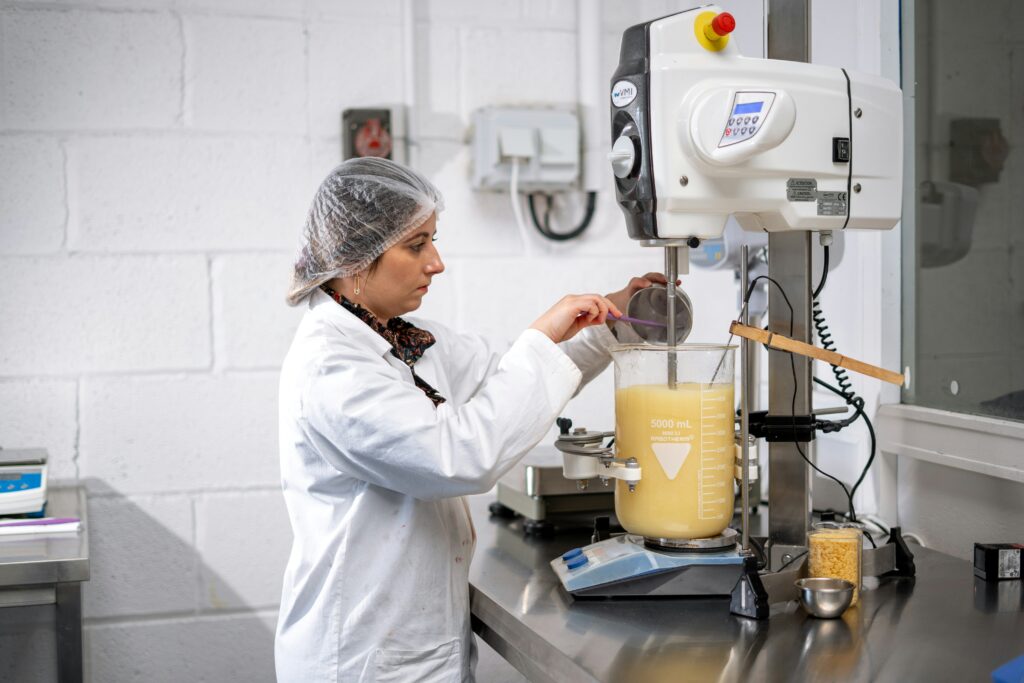
Empowering Women in the Field of Research
In recent years, the field of research has seen a significant increase in female participation and leadership, yet challenges still remain for women pursuing careers in scientific, technological, and academic research. Empowering women in research is crucial not only for achieving gender equality but also for fostering innovation and progress across various disciplines. By providing equal opportunities, resources, and support, we can ensure that women’s contributions in research lead to groundbreaking discoveries and solutions that benefit society as a whole.
1. Equal Access to Education and Resources
One of the fundamental steps in empowering women in research is ensuring equal access to quality education. Historically, women were underrepresented in science, technology, engineering, and mathematics (STEM) fields. By encouraging girls to pursue studies in STEM from a young age and offering mentorship and scholarships, we can inspire a new generation of women researchers. Additionally, women must have access to the same resources, research facilities, and funding opportunities as their male counterparts to contribute meaningfully to their respective fields.
2. Encouraging Female Role Models
Representation matters. When women in research see other women excelling in their fields, it provides inspiration and a tangible example of success. Celebrating female researchers such as Marie Curie, Rosalind Franklin, and Ada Lovelace can highlight the significant impact women have had in shaping scientific advancements. By showcasing contemporary female researchers in various scientific and academic sectors, we can continue to encourage young women to pursue careers in research and feel supported in their journey.
3. Promoting Equal Opportunities in Research Careers
Empowering women in research involves ensuring that they are given equal opportunities for career advancement. This includes offering women leadership roles in research institutions, supporting their applications for grants and funding, and addressing gender biases that may exist in peer review processes or academic publishing. Ensuring that women have the opportunity to lead research projects, teams, and departments helps create a more inclusive and diverse scientific community, ultimately leading to richer research outcomes.
4. Addressing Gender Bias and Stereotypes
Gender bias and stereotypes continue to hinder women’s progress in research, often resulting in them being overlooked for funding or leadership roles. Addressing these biases is essential for leveling the playing field. Institutions and organizations must implement policies to ensure unbiased hiring and funding decisions, as well as provide training on gender sensitivity to reduce unconscious biases. Promoting a culture that values diversity in thought and leadership fosters an environment where women can thrive and contribute meaningfully to research.
5. Work-Life Balance and Family Support
The demands of a research career can be intense, and women often face unique challenges in balancing work with family responsibilities. To empower women in research, institutions must provide flexible working hours, parental leave, and on-site childcare options. This support allows women to pursue research careers while also fulfilling family responsibilities. By creating an environment that respects the needs of working mothers and caregivers, women can fully engage in research without having to sacrifice their personal lives.
6. Collaboration and Networking Opportunities
Encouraging collaboration and networking among women in research is key to fostering an empowering environment. Research conferences, workshops, and online communities designed specifically for women can help build supportive networks where ideas can be exchanged, and new opportunities can arise. These networks can also provide mentorship, which is crucial in navigating the challenges of a research career. By connecting women researchers across various fields, we not only help them grow professionally but also create a united voice advocating for their rights and opportunities.
7. Incorporating Diverse Perspectives in Research
Empowering women in research leads to a more diverse range of perspectives, which can enrich the research process and its outcomes. Women bring unique experiences and viewpoints to scientific inquiry, and their insights can help address gaps in knowledge that may be overlooked by a homogenous research community. Diverse teams are also more likely to approach problems in innovative ways, leading to more holistic and comprehensive solutions. Encouraging women to participate in interdisciplinary research can help break new ground in fields such as medicine, climate science, and social research.
8. Encouraging and Supporting Female Entrepreneurs in Research
Many women in research also venture into entrepreneurship, translating their research into real-world applications and solutions. Supporting female researchers in commercializing their discoveries and inventions helps boost innovation. Providing funding and resources for women-led startups in research-related fields can accelerate the development of new technologies and products. By fostering female entrepreneurship in research, we contribute to both economic growth and social progress.
9. Fostering Global Partnerships
Women’s empowerment in research should extend beyond national borders. Global collaborations between female researchers from different countries and cultures can lead to shared knowledge, cross-cultural innovation, and a broader impact on global issues. Encouraging international research initiatives that prioritize gender equality can contribute to global solutions for challenges such as climate change, health crises, and poverty reduction. Women’s voices are essential in these global dialogues and partnerships.
10. Celebrating Achievements and Breaking Barriers
Recognizing and celebrating the achievements of women researchers is essential to continue breaking barriers in the field. Awards, grants, and public recognition for women who have made significant contributions to research inspire others to follow in their footsteps. By highlighting the accomplishments of women in research, we challenge stereotypes and push the narrative that innovation, discovery, and leadership are not bound by gender.
Conclusion
Empowering women in the field of research is not just a matter of achieving gender equality; it’s about enriching research with diverse perspectives, fostering innovation, and driving societal progress. By offering equal opportunities, addressing bias, and providing the necessary support, we can ensure that women have the tools and resources they need to succeed in research and make a lasting impact. As more women take on leadership roles and contribute to groundbreaking research, we pave the way for a future that is innovative, inclusive, and transformative for all.